Choosing the right fabric for curtains is one of the most impactful decisions in home décor sewing. The fabric determines how much light your curtains filter, how they drape, how long they last, and how they complement your room's overall aesthetic. Here's a comprehensive guide to the most popular curtain fabrics and how to choose the right one for every room.
What to Consider When Choosing Curtain Fabric
-
Light control: Do you want sheer, filtered light or full blackout coverage? The fabric's weight and opacity determines this
-
Privacy: Rooms facing the street or neighbors may need denser, more opaque fabrics
-
Drape and fullness: Heavier fabrics hang in deep, elegant folds; lighter fabrics create softer, more flowing movement
-
Room function: Bedrooms often need blackout or heavy fabrics; living rooms and kitchens suit lighter, more decorative options
-
Maintenance: Some curtain fabrics need dry cleaning; others are machine washable — consider how often you'll need to launder them
-
Durability: Curtains in high-traffic areas or homes with children and pets need hardwearing, washable fabrics
The Best Fabrics for Curtains
1. Cotton
Cotton is one of the most popular and versatile curtain fabrics — available in an enormous range of weights, weaves, and prints. It's easy to sew, machine washable, and suits virtually every decorating style from casual to formal.
-
Light control: Medium — filters light softly without blocking it completely
-
Best for: Living rooms, dining rooms, children's rooms, kitchens
-
Care: Machine washable — pre-wash before sewing to prevent shrinkage
-
Sewing difficulty: Beginner-friendly
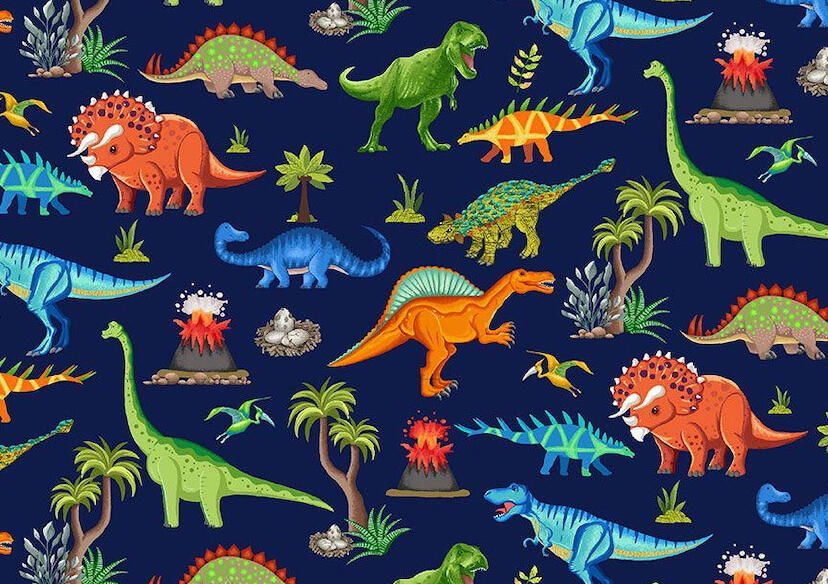
Cotton fabric panels with large-scale prints make stunning statement curtains with minimal sewing — often requiring only hemming and a rod pocket or heading tape.
2. Linen
Linen curtains have a beautiful, natural texture and a relaxed elegance that suits both modern and traditional interiors. Linen filters light softly, creating a warm, diffused glow in the room. It's one of the most popular choices for living rooms and bedrooms where a natural, organic aesthetic is desired.
-
Light control: Light to medium — beautiful soft filtering
-
Best for: Living rooms, bedrooms, dining rooms
-
Care: Machine washable on a gentle warm cycle; wrinkles readily — embrace the natural texture or press while damp
-
Sewing difficulty: Beginner to intermediate
3. Velvet
Velvet curtains are among the most luxurious and dramatic window treatments available. The dense pile absorbs light beautifully, provides excellent insulation, and drapes in deep, sumptuous folds. Velvet curtains have excellent light-blocking and sound-dampening properties.
-
Light control: Heavy — near-blackout depending on the weight
-
Best for: Bedrooms, formal living rooms, home theaters, dining rooms
-
Care: Dry clean recommended; some cotton velvets can be gently hand washed
-
Sewing difficulty: Advanced — requires careful handling to avoid crushing the pile
4. Voile and Sheer Fabrics
Sheer curtain fabrics — voile, organza, and fine cotton lawn — filter light beautifully while maintaining privacy during the day. They're typically used as inner curtains layered behind heavier drapes, or alone in rooms where privacy is less critical. Sheer curtains create an airy, light-filled atmosphere.
-
Light control: Very light — diffuses and softens light without blocking it
-
Best for: Living rooms, sunrooms, layering behind heavier curtains
-
Care: Hand wash or gentle machine wash in cool water
-
Sewing difficulty: Intermediate — sheer fabrics can be slippery and show every stitch imperfection
5. Silk and Faux Silk
Silk curtains are the ultimate in formal elegance — the fabric's natural luster and fluid drape create window treatments of exceptional beauty. However, silk is sensitive to UV exposure and can fade or deteriorate in direct sunlight over time. Faux silk (typically polyester dupioni or taffeta) offers a similar lustrous appearance at a lower price point with better UV resistance.
-
Light control: Medium — the natural sheen reflects some light
-
Best for: Formal living rooms, dining rooms, bedrooms away from direct sunlight
-
Care: Dry clean (real silk); machine washable on gentle (faux silk)
-
Sewing difficulty: Advanced (real silk); intermediate (faux silk)
6. Blackout Fabric
Blackout curtain fabric is a specially engineered fabric — typically a woven fabric with a rubberized or foam coating on the back — that blocks light completely. It's the essential choice for bedrooms where complete darkness is needed for sleep, nurseries, and home theater rooms.
-
Light control: Complete blackout
-
Best for: Bedrooms, nurseries, home theaters, shift workers' rooms
-
Care: Machine washable on gentle; avoid high heat which can damage the coating
-
Sewing difficulty: Intermediate — the coating can stick to the presser foot; use a Teflon foot or tissue paper under the foot when sewing
7. Canvas and Duck Cloth
Canvas and duck cloth are heavy, tightly woven cotton fabrics that make excellent curtains for casual, relaxed interiors — particularly in rooms like mudrooms, kitchens, and workshops where durability and washability matter more than elegance. They're also a good choice for outdoor spaces like covered patios and pergolas.
-
Light control: Heavy — significantly reduces light without complete blackout
-
Best for: Casual rooms, kitchens, outdoor spaces, mudrooms
-
Care: Machine washable
-
Sewing difficulty: Intermediate — heavy fabric requires a sturdy needle and walking foot
8. Flannel
Flannel curtains are a wonderful choice for cold climates and winter rooms — the brushed surface adds warmth, insulation, and a soft, cozy aesthetic. Flannel curtain panels in classic plaids or solid colors suit bedrooms, cabins, and casual family rooms beautifully.
-
Light control: Medium to heavy depending on weight
-
Best for: Bedrooms, family rooms, cabins and vacation homes
-
Care: Machine washable; pre-wash before sewing
-
Sewing difficulty: Beginner-friendly
Lining Your Curtains
Adding a lining to your curtains significantly improves their performance and longevity:
-
Improves drape: A lining adds weight and body, helping curtains hang in smooth, even folds
-
Protects the face fabric: Lining shields the curtain fabric from UV fading — particularly important for silk, cotton, and linen curtains in sunny rooms
-
Adds insulation: A thermal or blackout lining improves energy efficiency and reduces heat loss through windows
-
Improves appearance from outside: A white or cream lining gives a uniform appearance to the outside of your home regardless of the curtain color or print inside
Use a plain white or cream cotton fabric as a standard curtain lining — it's breathable, easy to sew, and widely available.
How Much Fabric Do You Need for Curtains?
- Measure your rod width and multiply by 1.5–2.5 for fullness (more fullness = more fabric and more luxurious drape)
- Measure your desired drop and add 8"–12" for hems and heading
- For patterned fabric, add one full pattern repeat per panel for matching
- Always round up and buy a little extra — running short mid-project is a common and frustrating mistake
Coming Soon to My Fabric Villa — Premium Decorator Fabrics
We are excited to announce that My Fabric Villa will soon be expanding our collection to include a curated range of premium decorator and home furnishing fabrics. Our design team stays abreast of emerging trends from around the world to bring you the finest in today's fabrics — spanning traditional to transitional to contemporary stylings, including prints, wovens, sheers, silks, embroideries, velvets, solids, and textures. These fabrics will be multipurpose, with applications for drapery, bedding, upholstery, indoor/outdoor performance use, and more. Stay tuned — this is going to be an exciting addition to our offerings.
Shop Curtain Fabrics at My Fabric Villa
Find the perfect fabric for your curtain project at My Fabric Villa. We carry a wide selection of quilting and apparel cottons, flannels, and fabric panels that work beautifully for curtains and home décor projects. Contact us anytime for fabric recommendations or yardage help.