Fleece fabric is one of the most popular choices for cold-weather sewing — warm, soft, easy to work with, and available in a huge range of weights and textures. But not all fleece is the same. Here's a guide to the seven most common types of fleece fabric and how to choose the right one for your project.
What Is Fleece Fabric?
Fleece is a knit fabric made primarily from polyester fibers, though cotton and natural fiber blends are also available. It's manufactured using a process that creates a soft, insulating pile on one or both sides of the fabric. Fleece is lightweight relative to its warmth, doesn't fray when cut, and dries quickly — making it a practical choice for outerwear, blankets, and cold-weather accessories.
7 Types of Fleece Fabric
1. Polar Fleece
Polar fleece is the most widely recognized type of fleece — the classic soft, dense fabric used in jackets, pullovers, and blankets. It has a smooth face side and a pile reverse, is available in a wide range of weights (100, 200, and 300 being the most common), and comes in hundreds of colors and prints. Polar fleece is warm, washable, and beginner-friendly to sew.
Best for: Jackets, pullovers, blankets, hats, scarves
2. Blizzard Fleece
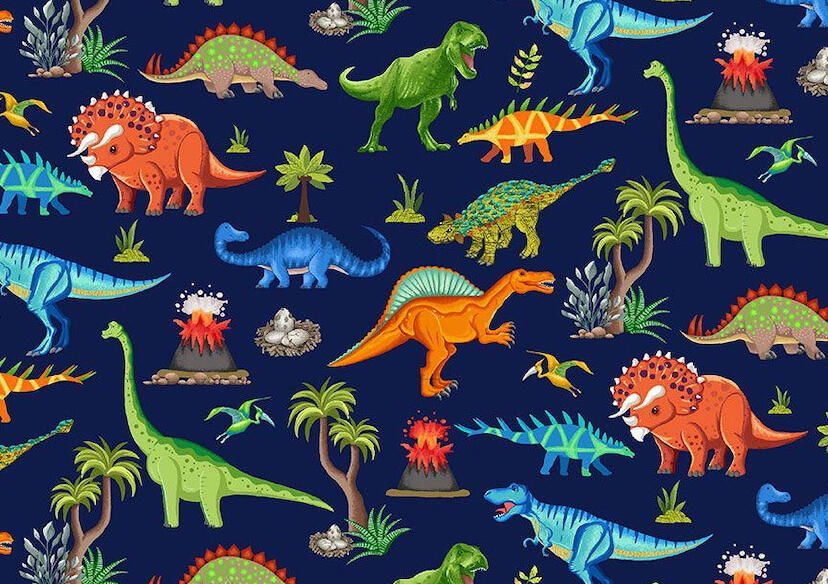
Blizzard fleece is a lighter-weight version of polar fleece with a slightly silkier hand. It's widely available in printed versions — making it a popular choice for novelty and character prints. It's less warm than heavier polar fleece but very easy to sew and widely available at accessible price points.
Best for: Children's garments, lightweight blankets, scarves, casual accessories
3. Anti-Pill Fleece
Anti-pill fleece is treated during manufacturing to resist the small fiber balls (pills) that form on standard fleece after repeated washing. It maintains its smooth appearance longer than untreated fleece, making it the better investment for garments and blankets that will be washed frequently.
Best for: Blankets, children's clothing, garments that will be washed often
4. Sherpa Fleece
Sherpa fleece has a textured, curly pile on one side that mimics the look of sheepskin or wool. It's typically used as a lining fabric — paired with a woven outer fabric for jackets, vests, and coats — but can also be used pile-side-out for a cozy, textured look. Sherpa is very warm and has excellent insulating properties.
Best for: Jacket and coat linings, vest inners, blanket backing, boot liners
5. Microfleece
Microfleece is a lightweight, thin fleece with a very fine, smooth pile. It's the least bulky of all fleece types and works well as a base layer or lining rather than an outer layer. Despite its light weight, microfleece is surprisingly warm and wicks moisture effectively.
Best for: Base layers, linings, lightweight accessories, children's sleepwear
6. Burnout Fleece
Burnout fleece is created using a chemical process that removes fibers in a pattern, leaving semi-sheer areas alongside the plush pile. The result is a fabric with a decorative, almost lace-like appearance — beautiful for scarves, wraps, and decorative garments where visual interest is as important as warmth.
Best for: Scarves, wraps, decorative garments, fashion accessories
7. Coral Fleece
Coral fleece has an extremely soft, dense pile with a velvety texture that is softer than standard polar fleece. It's highly absorbent (making it popular for towels and robes) and has a beautiful drape that makes it suitable for both functional and decorative projects. Coral fleece is available in solid colors and is particularly popular for baby blankets and throws.
Best for: Baby blankets, throws, robes, towels, soft toys
General Tips for Sewing with Fleece
-
No need to hem: Fleece doesn't fray, so raw edges can be left unfinished — ideal for no-sew and quick-sew projects
-
Use a ballpoint or stretch needle: Fleece is a knit fabric and requires a needle designed for stretch to prevent skipped stitches
-
Avoid high heat: Fleece is polyester-based and can melt under a hot iron — use a low setting or press with a pressing cloth
-
Stretch stitch or serger: Use a stretch stitch or serger for seams that need to move with the fabric, particularly in garments
-
No pre-washing required: Most fleece fabrics don't shrink, so pre-washing is generally not necessary
-
Watch the nap: Like velvet, fleece has a directional pile — cut all pieces in the same direction for a consistent appearance
Shop Fleece and Winter Fabrics at My Fabric Villa
Find the perfect fleece for your next cold-weather project at My Fabric Villa. We carry a wide selection of fleece fabrics alongside flannel and other warm-weather sewing staples. Contact us anytime for fabric recommendations for your project.